Your Résumé Is Perfect. So Why Is a Recruiter Messaging Someone Else on LinkedIn?
June 10, 2026 · 4 min read · Past the Bots
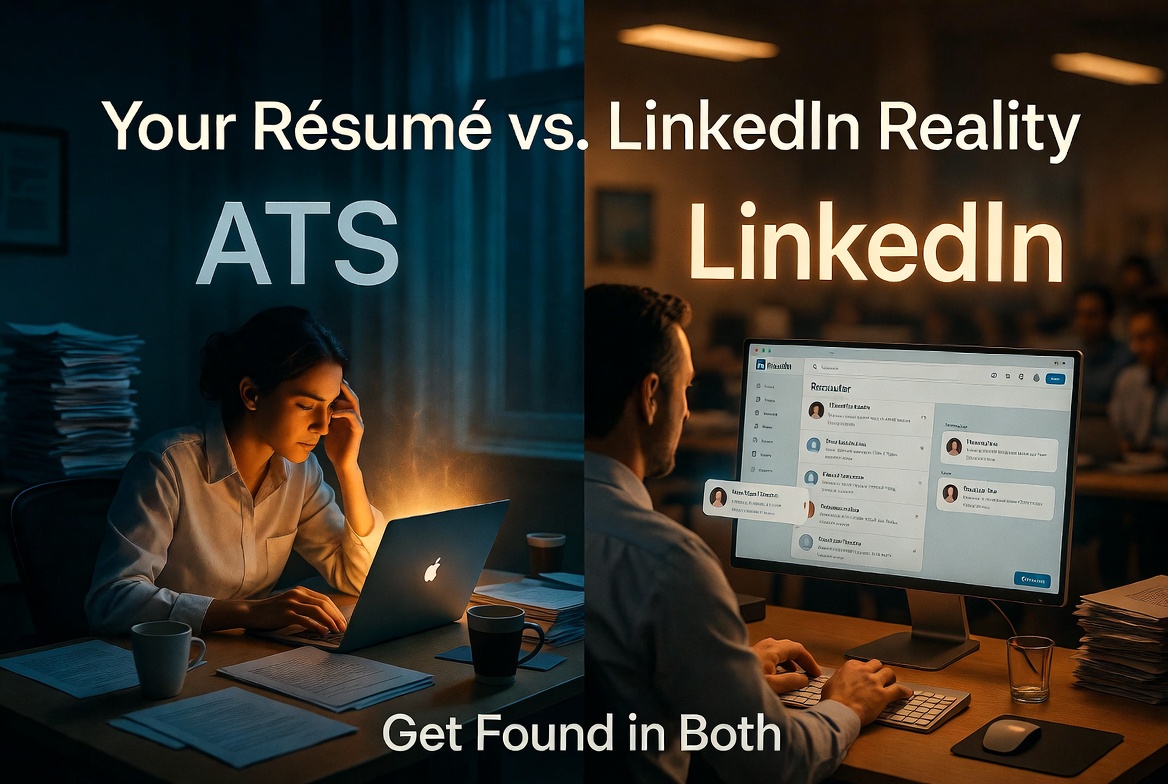 You spent three hours polishing your résumé. The formatting is clean, the bullet points are punchy, and you tailored it to the job description. You hit submit and waited.
Meanwhile, a recruiter at that same company opened LinkedIn Recruiter, typed a few keywords, and messaged someone who never even applied.
This is happening constantly right now, and a recent piece from MSN's small-business coverage put a fine point on it: recruiters are increasingly skipping the ATS queue altogether and sourcing talent proactively on LinkedIn. The résumé you worked so hard on may never get a human set of eyes on it, not because it's bad, but because the recruiter found their shortlist before they ever opened the inbox.
So what do you actually do about it?
Why Recruiters Go Around the ATS
Applicant Tracking Systems are useful for companies, but they create noise. A single job post can generate hundreds of applications, many of them poorly matched. Recruiters under time pressure find it faster to run a Boolean search on LinkedIn and surface five strong candidates than to sift through 300 résumés.
That means two things are true at the same time:
- Your résumé still matters. If you do apply, it has to survive automated parsing and screening before a human sees it.
- Your LinkedIn profile also matters. If a recruiter is sourcing, your profile has to surface in their search and make them want to click.
You can't pick one and ignore the other. You need both working together.
The Résumé Side: Getting Past the Bots First
Before a recruiter can choose you, the ATS has to not eliminate you. That's where a lot of strong candidates quietly lose.
Common reasons a good résumé gets filtered out:
- Parsing errors from tables, columns, headers, or unusual fonts that confuse ATS software
- Missing keywords that the system is scanning for based on the job description
- Skills the ATS can't find because they're phrased differently than the job posting
- Sections the parser mislabels, so your experience ends up miscategorized or ignored
The Audit the Bots tool on Past the Bots shows you exactly how different parsers read your résumé, what they extract, and where things break down. You'll see your name, contact info, skills, and sections the way the ATS actually sees them, not the way they look on your screen.
From there, the match score feature compares your résumé against a pasted job description and flags matched keywords, missing keywords, and any knockout gaps that could get you auto-rejected. If a job description mentions "stakeholder management" twelve times and your résumé says "cross-functional collaboration," that's a gap worth closing.
The AI tailoring feature rewrites your bullets to close those gaps without inventing experience you don't have. It works with what's already on your résumé and makes sure the language aligns with what the ATS and the recruiter are looking for.
The LinkedIn Side: Getting Found Before You Apply
Here's the part most résumé advice skips entirely.
Recruiters searching LinkedIn are using keyword filters, titles, location, skills sections, and sometimes even specific phrases from your About section or job descriptions. If those keywords aren't in your profile, you don't show up. It's essentially a second ATS.
A few things that help:
- Your headline should include the title you want, not just your current title. "Product Manager | SaaS | B2B Growth" beats "Product Manager at Acme Corp."
- Your skills section needs to match what recruiters search for. Add the tools, methodologies, and platforms that appear repeatedly in job descriptions for your target role.
- Your About section and experience bullets should use natural language that includes role-specific keywords, because LinkedIn's search index reads them.
- An active profile signals availability. Recruiters can filter for people who are open to work or recently active.
Past the Bots includes a "Get Found" talent profile feature that helps you build a presence that's findable beyond just the ATS, so you're surfacing in both inbound applications and outbound recruiter searches.
The Real Takeaway
The job market right now rewards candidates who understand how the system actually works, not how they think it works. Recruiters are not sitting in a room reading every résumé in order. They're using tools to find people fast, and those tools have rules.
The candidates getting interviews are the ones who show up correctly in both places: a résumé the ATS can parse and match, and a LinkedIn profile a recruiter can find.
You don't have to game anything. You just have to make it easy for the right people to find you and understand what you offer. That's the whole job.