Behind the AI Boom: The Data Center and Skilled Trades Talent Crunch
November 4, 2026 · 4 min read · Past the Bots
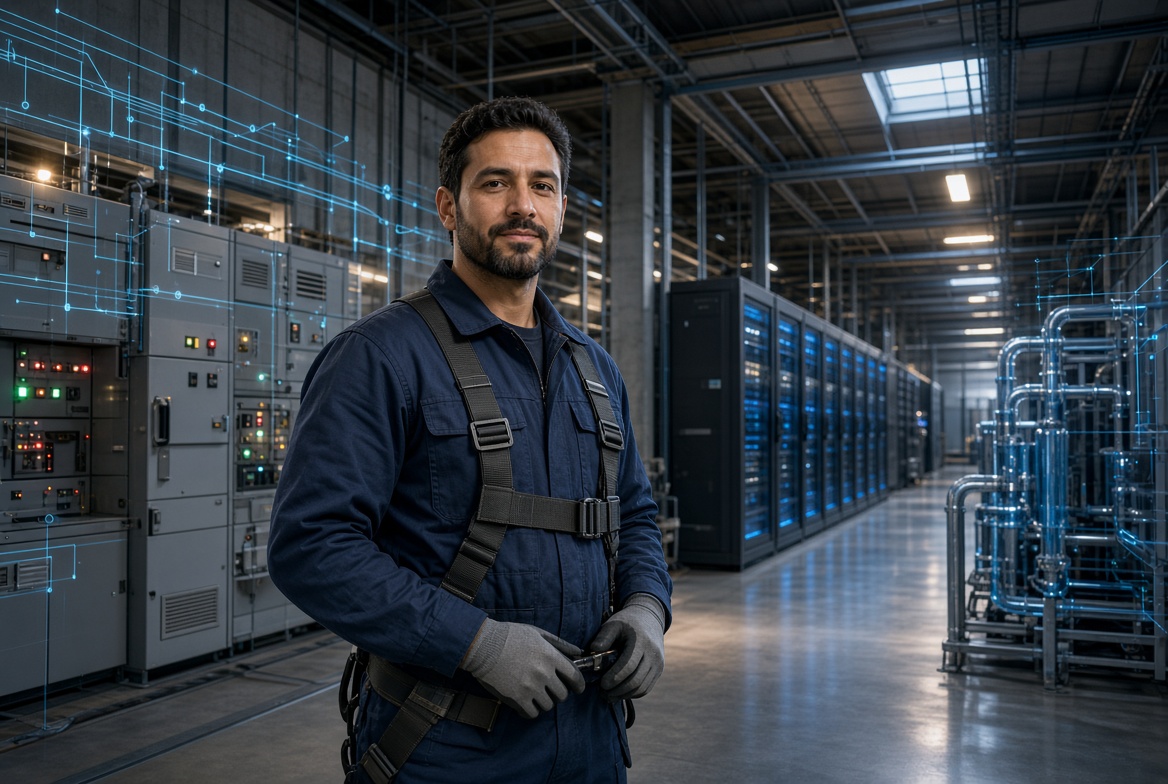
The Infrastructure Nobody Talks About
Every AI chatbot, image generator, and recommendation algorithm runs on physical hardware sitting inside a data center. And right now, the world is building those data centers as fast as humanly possible. Microsoft, Google, Amazon, and a wave of smaller hyperscalers are spending hundreds of billions of dollars on new facilities through 2030.
Here's the part that doesn't make headlines: there aren't enough skilled workers to build and run them.
If you work in electrical, mechanical, commissioning, utilities, or specialized construction, this moment is genuinely one of the best hiring markets of your career. And if you're adjacent to those fields, it's worth understanding what roles are in demand and how to position yourself for them.
What's Actually Being Built (and What It Takes)
A modern hyperscale data center isn't just a big warehouse full of servers. It's a complex facility that requires:
- High-voltage electrical infrastructure -- substations, switchgear, and redundant power distribution systems
- Mechanical and cooling systems -- chillers, cooling towers, and increasingly, liquid cooling for AI chips that run hotter than traditional hardware
- Commissioning and startup -- verifying that every system works correctly before a single server goes live
- Utilities coordination -- working with power companies to bring in the massive amounts of electricity these facilities consume
- Continuous operations -- 24/7 critical facility technicians who keep everything running once it's built
The shortage is real across all of these. The Associated Builders and Contractors estimated the construction industry needs to attract roughly half a million additional workers per year just to meet current demand. Data center construction is one of the hottest segments driving that number.
Roles That Are Genuinely Hard to Fill Right Now
If you have experience in any of these areas, recruiters are actively looking for you:
- Journeyman and master electricians with industrial or commercial experience
- Commissioning engineers (Cx) -- especially those who have worked on critical facilities, hospitals, or large commercial builds
- Critical facility technicians and data center operators who understand mechanical and electrical systems
- Project managers and superintendents with mission-critical or industrial construction backgrounds
- Power systems engineers familiar with medium and high-voltage distribution
- Controls and BMS (building management system) technicians
Less obvious but equally in demand: utility-scale project developers, interconnection specialists, and environmental permitting consultants who can navigate the regulatory hurdles of building facilities that consume as much power as a small city.
What This Means If You're Adjacent to These Fields
Maybe you don't check every box above but you're close. Here's how to think about your positioning:
If you're a general commercial electrician, data center work pays a significant premium. Getting a single mission-critical project on your résumé opens doors. Look for contractors like Turner, DPR, Mortenson, and Holder who specialize in this space.
If you work in facilities or building operations, your skills transfer more directly than you might think. Highlight any experience with redundant systems, uptime requirements, or working in 24/7 environments.
If you're in HVAC or mechanical contracting, liquid cooling for AI infrastructure is a growth area that most mechanical contractors haven't touched yet. Being an early mover matters.
If you're a project engineer or coordinator with any large commercial construction background, mission-critical GCs are hiring and will train you on the specifics.
Getting Your Résumé Ready for This Market
One thing worth knowing: many of the larger contractors and operators use applicant tracking systems just like corporate employers do. Your résumé needs to speak the right language.
For these roles, that means being specific. Don't just say "electrical experience." Call out voltage levels, system types, and project scales. "Supervised installation of 480V distribution systems on a 40MW data center build" tells a hiring manager and an ATS exactly what you've done.
If you're tailoring your résumé to a specific role, running it through a tool like Past the Bots can show you which keywords from the job description you're hitting and which you're missing. For technical trades roles, those keyword gaps often come down to very specific terminology that's easy to add once you know it's absent.
The Bigger Picture
The AI boom gets talked about almost entirely in terms of software, models, and white-collar knowledge work. But the physical layer underneath it all is a massive opportunity for people who build and operate things in the real world.
If you're in the trades or adjacent technical fields, this is a good time to look hard at where your experience fits into the data center supply chain. The demand isn't slowing down, and the talent shortage means employers are often willing to train and promote faster than they would in a normal market.
Do the research, get specific about your experience on paper, and go find the work.