Helicopter Parents at Work? Here's How Young Professionals Can Take Ownership of Their Career
September 8, 2026 · 4 min read · Past the Bots
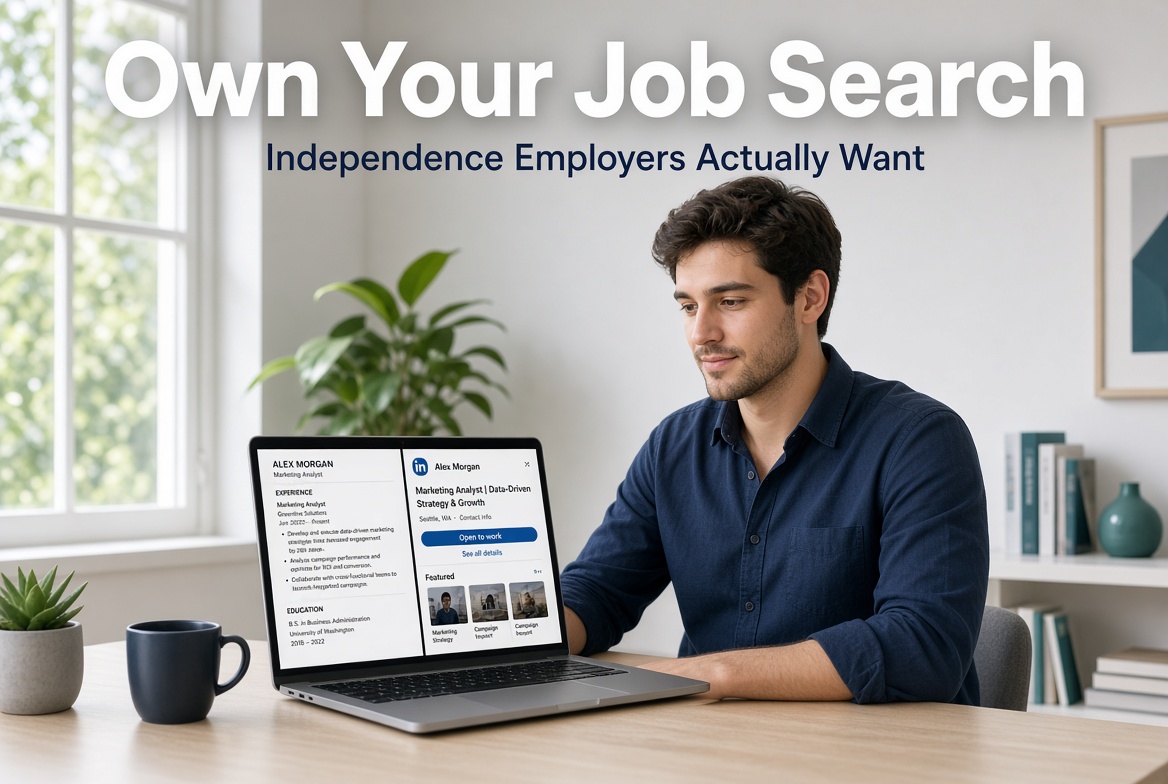 If you grew up with a parent who hovered over your homework, argued with your teachers, or called your coach to complain about playing time, you already know the drill. But according to a growing wave of workplace research and reporting, helicopter parenting has officially followed young professionals into the office, and it's creating real friction.
Managers describe parents calling HR on behalf of adult children. Recruiters report receiving emails from parents asking about offer statuses. Some employers have even started hosting "parents' weekends" just to manage the dynamic. It sounds wild, but it's real, and it's having a measurable effect on how young workers are perceived.
Here's the good news: if you're an early-career job seeker, you have more control over this narrative than you think. Taking deliberate ownership of your job search, from your résumé to your outreach, signals the kind of independence employers actually want to hire.
Why This Matters More Than You Might Think
Hiring managers talk to each other. When a parent contacts a recruiter on a candidate's behalf, even with good intentions, it raises an immediate red flag about that candidate's ability to advocate for themselves. Right or wrong, that perception sticks.
The job search is actually one of the best places to demonstrate professional maturity, because every touchpoint is a data point. Your résumé, your cover letter, your follow-up email, the way you negotiate, all of it tells a story about who you are at work.
If someone else is writing your résumé or making calls on your behalf, you're handing over that story.
Own Your Résumé, For Real
This is the most concrete place to start. A résumé someone else wrote for you, especially one that doesn't reflect how you actually talk about your experience, will fall apart the moment you sit down for an interview.
Instead, build it yourself and then get feedback. There's a real difference between asking a parent to "look this over" and leaning on them to write the whole thing.
A few things that actually help:
- Run it through an ATS scanner. Most résumés get filtered before a human ever reads them. Tools like Past the Bots show you exactly what a system extracts from your résumé, including your name, contact info, skills, and section headers, and flag anything that might get you screened out before you even get a shot.
- Match it to the actual job description. Generic résumés don't work well. Paste the job description into a match tool and see which skills you're missing or underselling. Then update your bullets to reflect what you've genuinely done.
- Write your own bullets. Even if they're rough at first, bullets written in your voice are ones you can actually speak to in an interview. AI tailoring tools can help you sharpen the language without putting words in your mouth about experience you don't have.
Advocate for Yourself (Here's How to Start)
If the idea of emailing a recruiter cold or following up on an application feels uncomfortable, that's normal. Most people find it awkward. But the skill of professional self-advocacy is exactly what employers are looking for in early-career hires, and it's learnable.
A few low-stakes ways to practice:
- Write your own cover letter. It doesn't have to be perfect. It just has to sound like you and address why you want this specific role at this specific company.
- Send your own follow-up emails. A short, polite note after an interview goes a long way. Something like: "Thank you for your time today. I'm genuinely excited about the role and would love to stay in touch." That's it.
- Connect with recruiters directly on LinkedIn. A brief, personalized message is perfectly appropriate. Introduce yourself, mention the role you applied for, and express your interest. No parent required.
What Employers Actually Want
Hiring managers consistently say they want early-career candidates who show curiosity, coachability, and the ability to figure things out. None of those traits show up when someone else is managing your job search for you.
Taking ownership doesn't mean doing everything perfectly. It means being the one in the driver's seat. Ask for help, get feedback, use tools that make the process less overwhelming, but keep your hands on the wheel.
Your career is the one place where showing up for yourself is the whole point. Start there.