You Are Not Your Employer: How to Own Your Career Identity
August 23, 2026 · 4 min read · Past the Bots
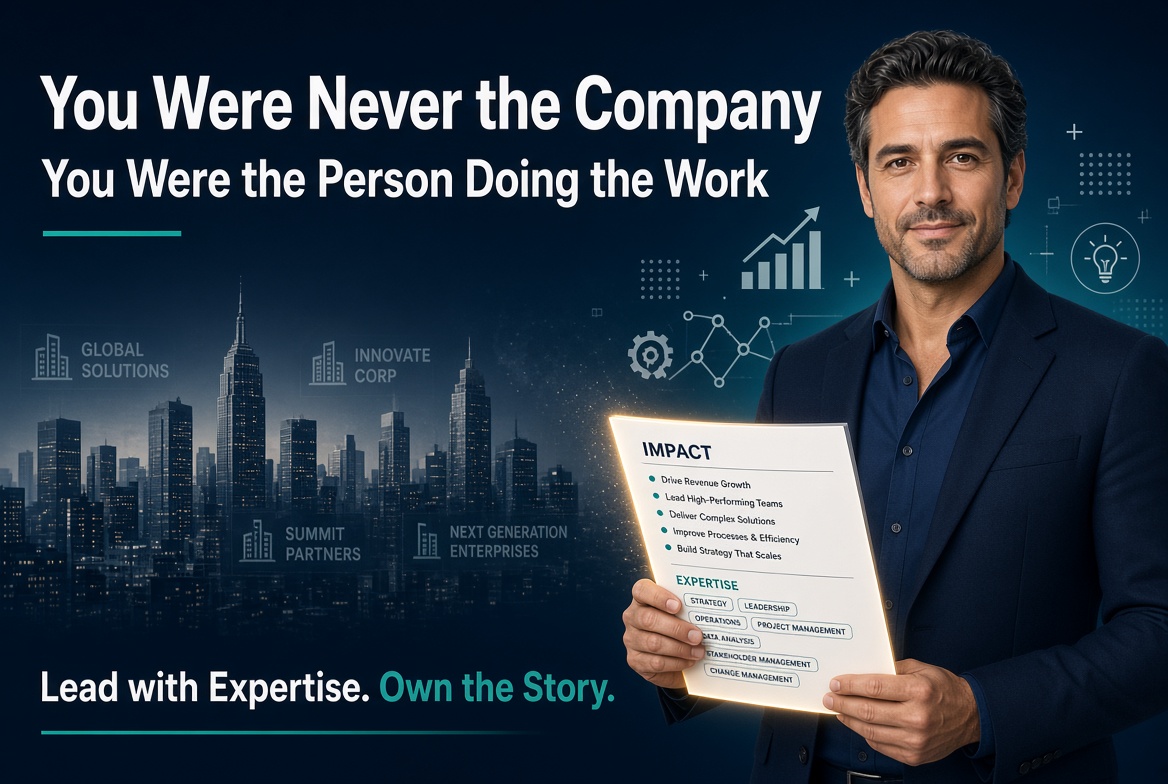 There's a moment a lot of job seekers hit, usually right after a layoff or while scrolling through a disappointing job search, where they think: Who am I without that company name on my resume?
It's a completely understandable feeling. We spend years building something at an organization, and when that relationship ends, it can feel like we lost a piece of our identity along with it.
But here's the truth: you were never that company. You were the person doing the work inside it.
That distinction matters more than most people realize, especially when you're trying to stand out in a job search.
The Brand Name Trap
A lot of professionals lean on their employer's reputation as a shortcut for credibility. "I worked at Google" or "I was at McKinsey" carries weight in conversation. And sure, a recognizable name on a resume doesn't hurt.
But here's the problem: ATS systems and hiring managers aren't evaluating the prestige of your past employers. They're scanning for skills, accomplishments, and evidence that you can do the job they need done.
If your resume is structured around company names and job titles but light on what you actually did and built and solved, you're leaving your strongest selling points off the page.
What Actually Defines You Professionally
Your real professional identity is built from three things:
- Your expertise -- the domain knowledge you've accumulated over time, the problems you understand deeply, the systems and tools you know inside and out
- Your experience -- the specific situations you've navigated, the projects you shipped, the teams you led or contributed to
- Your skills -- the concrete, transferable capabilities you bring to any role, regardless of who's writing your paycheck
These belong to you. A layoff doesn't take them. A company reorg doesn't erase them. They move with you.
How to Put This Into Practice on Your Resume
Shifting your mindset is step one. Translating it onto paper is where most people get stuck.
Here's a practical way to think about it: for every role you've held, ask yourself not "what was I responsible for" but "what changed because I was there?"
Responsibilities are forgettable. Impact is memorable.
Instead of:
Managed social media accounts for the marketing team
Try:
Grew organic Instagram engagement by 43% in six months by rebuilding the content calendar around audience data
The second version doesn't need a famous employer to land. It shows a skill (data-informed content strategy), a specific action (rebuilding the calendar), and a result (43% growth). That bullet works whether you were at a Fortune 500 or a five-person startup.
Your bullets are where your expertise lives. Treat them accordingly.
Skills Are the New Currency
Modern hiring, especially with ATS screening in the mix, is increasingly skills-based. Companies are trying to figure out: can this person do X? Do they know Y? Have they worked with Z?
That's actually good news for job seekers, because skills are portable in a way that employer prestige isn't.
When you're applying for a role, look hard at the job description and map your real skills against what they're asking for. Not buzzwords, but actual capabilities. Tools you've used. Frameworks you've applied. Problems you've solved.
If you want a quick gut check, tools like the skill-match scan in Past the Bots can show you exactly which keywords from a job description your resume is hitting and which ones are missing, so you're not guessing.
A Note on Career Transitions
This mindset shift is especially important if you're changing industries or roles. When you don't have a "name brand" employer in the new field, you have to lean even harder on transferable skills and concrete accomplishments.
The good news is that most skills transfer more cleanly than people think. A project manager in construction and a project manager in software have more in common than their resumes usually suggest. A customer success rep moving into sales brings real skills around objection handling and relationship management.
Your job is to make those connections visible and explicit, because hiring managers won't do it for you.
Start Thinking Like a Free Agent
The most resilient professionals treat their career like a portfolio of skills and experiences rather than a series of employer affiliations. They know what they're good at, they can articulate it clearly, and they don't wait for a layoff to figure it out.
Your resume is a document that represents you, not the companies that happened to employ you along the way.
Own that story. Lead with your expertise. Make every bullet count.
The right employer is looking for what you can do, not just where you've been.